

Soaring through the skies doesn’t always mean crossing international borders. Domestic air travel – the unsung hero of modern transportation – refers to flights that take place entirely within a single country’s boundaries. It’s the perfect solution for those who want to skip the passport drama and still enjoy the thrill of flying.
Whether it’s hopping from New York to Los Angeles or zipping between Chicago and Miami domestic flights have revolutionized how people move across their homeland. They’ve transformed what used to be grueling road trips into quick comfortable journeys that last just a few hours. For millions of travelers these flights serve as their daily commute business trip escape route or pathway to family reunions.
Understanding Domestic Air Travel
Domestic air travel encompasses flights operating within a single country’s boundaries. This form of transportation connects cities, regions, and states through established air routes and regulated aviation networks.
Definition and Basic Concepts
Domestic flights operate under specific aviation regulations that govern air travel within national borders. These flights utilize a network of commercial airports ranging from major hubs to regional terminals. Airlines designate routes between cities based on passenger demand, business centers, and tourist destinations. Common aircraft types for domestic routes include narrow-body planes such as Boeing 737s and Airbus A320s. The aviation system incorporates essential elements like air traffic control, ground operations, and standardized safety protocols.
Difference Between Domestic and International Flights
Domestic flights operate under simpler regulations compared to international travel. Key distinctions include:
| Feature | Domestic Flights | International Flights |
|---|---|---|
| Documentation | Valid photo ID | Passport and visa |
| Check-in Time | 1-2 hours before | 2-3 hours before |
| Security | Standard screening | Enhanced screening |
| Customs | Not required | Mandatory process |
| Baggage Limits | Higher allowance | Stricter restrictions |
The terminal facilities differentiate as well. Domestic terminals feature streamlined processes while international terminals include additional services like currency exchange, duty-free shops, and immigration counters.
Key Components of Domestic Air Travel
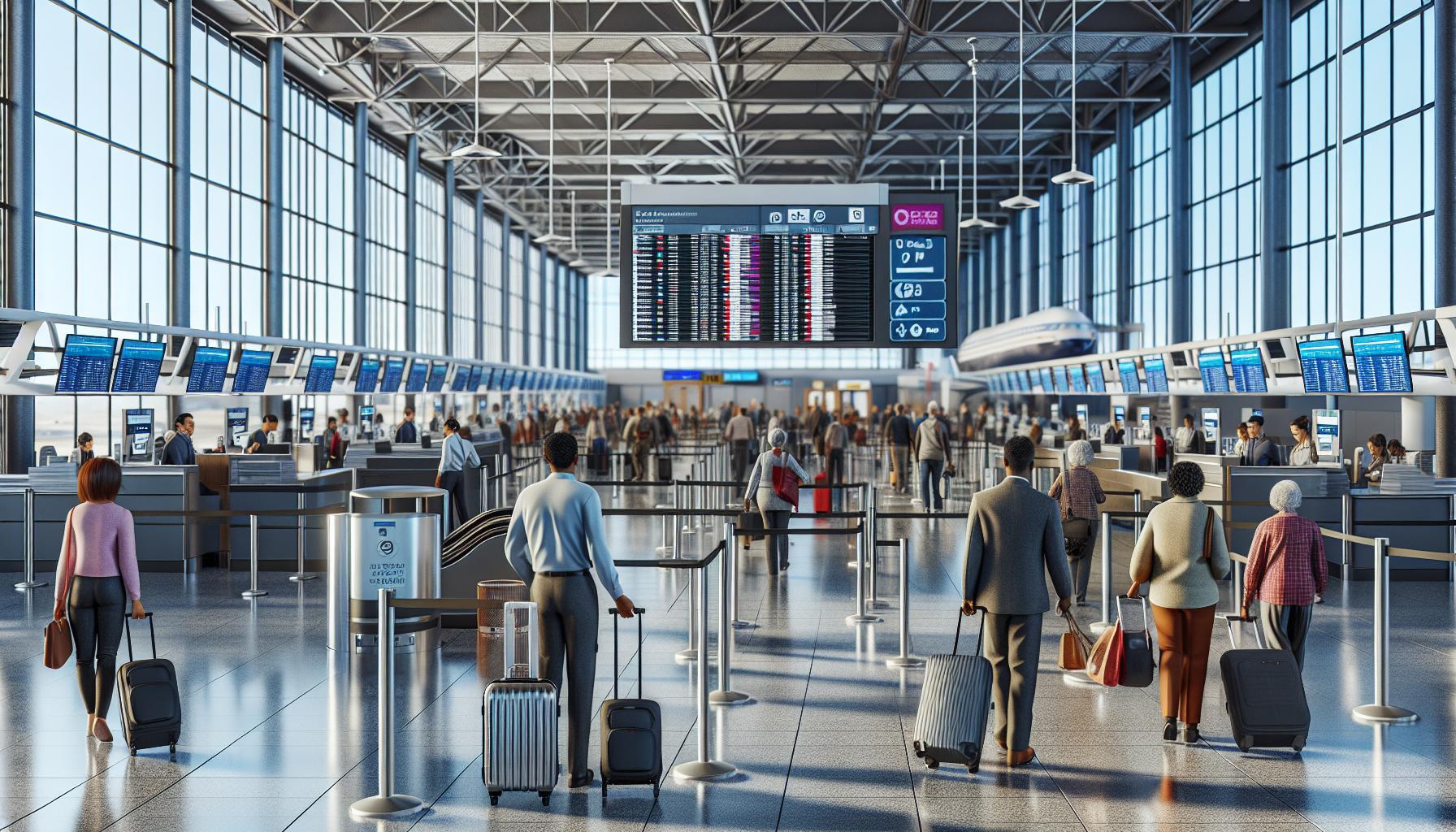
Domestic air travel operates through a complex network of interconnected elements that work together to facilitate smooth transportation within national borders. The system consists of several essential components that ensure efficient service delivery.
Airlines and Routes
Major carriers operate extensive domestic route networks connecting multiple cities across the country. Regional airlines supplement these networks by serving smaller markets with routes between secondary cities or linking them to major hubs. Airlines determine their routes based on passenger demand patterns data analysis metrics including:
| Route Factor | Impact on Service |
|---|---|
| Population density | 35% influence on route selection |
| Business centers | 28% influence on route selection |
| Tourism hotspots | 22% influence on route selection |
| Seasonal demand | 15% influence on route selection |
Airlines adjust flight frequencies schedules based on peak travel periods competitive market conditions to maximize operational efficiency.
Airports and Terminals
Domestic airports range from large hub facilities to regional airfields equipped with specific infrastructure for passenger processing. Terminal layouts feature dedicated areas for:
- Check-in counters with self-service kiosks
- Security screening checkpoints with TSA protocols
- Baggage claim zones with automated sorting systems
- Gate areas with digital flight information displays
- Ground transportation access points
Each terminal incorporates standardized navigation systems signage to guide passengers through various checkpoint locations. Modern airports integrate smart technology solutions including mobile boarding passes automated bag drops to streamline the travel experience.
Benefits of Flying Domestically

Domestic air travel offers numerous advantages for travelers seeking efficient transportation within national borders. These benefits enhance both personal convenience and business productivity.
Time Efficiency
Domestic flights eliminate hours or days of ground travel time by covering long distances in a fraction of the time. A flight from New York to Los Angeles takes 6 hours compared to a 41-hour drive. Business travelers complete multiple city visits in a single day through direct domestic flights. The streamlined check-in process takes 30-60 minutes for domestic flights versus 2-3 hours for international departures. Shorter security lines at domestic terminals reduce waiting times to 15-20 minutes during off-peak hours. Immediate boarding after security allows passengers to reach their gates within minutes.
Cost-Effective Transportation
Domestic flights provide competitive pricing through multiple carriers serving popular routes. Advanced booking discounts cut ticket prices by 20-40% when purchased 3-4 months ahead. Regional airlines offer budget-friendly options with fares starting at $59 for short-haul routes. Loyalty programs earn passengers 1-5 points per dollar spent on domestic tickets. Baggage fees average $30 for domestic flights compared to $50-100 for international travel. Airlines regularly feature promotional deals cutting costs by 25-50% during off-peak seasons. Direct routes eliminate additional expenses like overnight accommodation lodging required for long drives.
Requirements for Domestic Air Travel
Domestic air travel requires specific documentation and adherence to security protocols established by the Transportation Security Administration (TSA). These requirements ensure passenger safety and streamline the travel process within national borders.
Identification Documents
Valid government-issued photo identification proves essential for domestic air travel. Adult passengers (18+) must present either a state-issued driver’s license, military ID, or permanent resident card at security checkpoints and check-in counters. The REAL ID Act sets minimum security standards for state-issued identification documents, with enforcement beginning May 7, 2025. Children under 18 traveling with an adult companion don’t require photo ID for domestic flights, though carrying a birth certificate creates a smoother experience. TSA accepts digital ID through approved mobile apps at select airports.
Security Procedures
TSA screening procedures protect aviation safety through standardized protocols at all U.S. airports. Passengers pass through advanced imaging technology scanners or metal detectors while their carry-on items undergo X-ray screening. Liquids follow the 3-1-1 rule: 3.4-ounce containers in one quart-sized bag per passenger. Electronics larger than cell phones go in separate bins during screening. TSA PreCheck members access expedited security lanes, keeping shoes on and laptops packed. Security regulations prohibit weapons, flammables, sharp objects in carry-on bags. Random additional screening includes pat-downs or explosive trace detection tests.
Tips for Booking Domestic Flights
Strategic planning maximizes savings on domestic flight bookings. Consider these essential factors to secure the most favorable airfare deals.
Best Times to Book
Domestic flight prices fluctuate based on specific booking windows. Travelers find optimal rates by booking 3-4 months before departure for standard routes. Tuesday afternoons see price drops as airlines adjust fares, with savings reaching up to 15%. Early morning flights (6 AM – 7 AM) offer lower fares compared to peak travel times. Off-season travel periods, such as January through early March, feature reduced rates across domestic routes. Holiday bookings require earlier planning, with 6-8 months advance purchase securing better prices. Mid-week flights on Tuesday Wednesday typically cost 20% less than weekend departures.
Choosing the Right Fare Class
Airlines structure domestic fares into distinct categories: Basic Economy, Main Cabin Economy Premium Economy. Basic Economy offers the lowest prices but restricts seat selection baggage allowance. Main Cabin Economy includes seat selection one carry-on bag one checked bag. Premium Economy provides extra legroom priority boarding enhanced meal options. Each fare class includes specific change policies – Basic Economy tickets often prohibit changes while Main Cabin allows modifications for a fee. Premium Economy permits free flight changes up to 24 hours before departure. Airlines price these classes dynamically, with differences ranging from $50-200 between consecutive tiers on domestic routes.
Conclusion
Domestic air travel has revolutionized the way people move within their country’s borders. With streamlined processes efficient operations and extensive route networks it’s become an integral part of modern life. Whether for business or leisure travelers can enjoy quick convenient journeys while benefiting from competitive pricing and various fare options.
The combination of well-developed infrastructure smart technology and standardized security measures ensures a smooth travel experience. By understanding booking strategies documentation requirements and airline policies travelers can make informed decisions that best suit their needs. Domestic air travel continues to evolve making exploring the country more accessible than ever before.
