
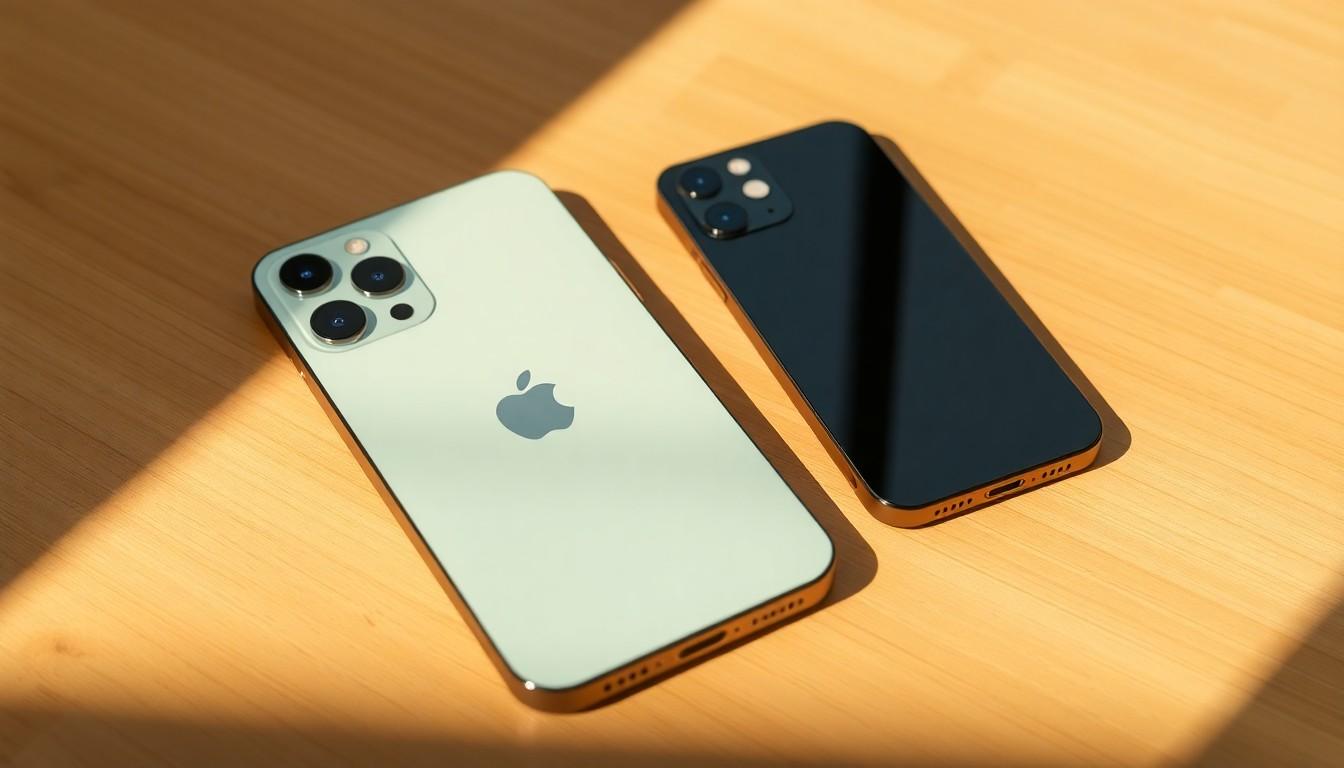
When it comes to phone cases, the struggle is real. You’ve just splurged on a shiny new iPhone 13, and now you’re staring at your trusty iPhone 12 case, wondering if it can pull off a magic trick and fit your latest gadget. Spoiler alert: it’s not as simple as a quick wardrobe change.
While both phones might look similar at first glance, they’re like siblings who’ve taken different paths in life. The iPhone 13 has a few design tweaks that could leave your beloved case feeling a bit out of place. So, before you attempt a risky case swap, let’s dive into the details and find out if your iPhone 12 case is ready for a second act or if it’s time for an upgrade.
Overview of iPhone 13 and iPhone 12
iPhone 13 and iPhone 12 share many features, yet subtle design differences exist. These differences may impact case compatibility.
Key Differences in Design
One major design change includes the camera layout. iPhone 13 features a diagonal camera arrangement while iPhone 12 displays a vertical setup. The notch on the iPhone 13 is slightly smaller, affecting overall dimensions. Additionally, the materials used in the iPhone 13 provide a different texture compared to the iPhone 12. This refinement may alter how cases align with device edges. Thus, even with similar designs, specific aspects prevent universal case compatibility.
Dimensions and Specifications
iPhone 13 measures 146.7 x 71.5 x 7.65 mm, while iPhone 12 measures 146.7 x 71.5 x 7.4 mm. The weight of iPhone 13 is 174 grams compared to 164 grams for iPhone 12. Measuring differences exist, though they are minimal. Another notable specification is the internal components, as iPhone 13 houses the A15 Bionic chip while iPhone 12 contains the A14 chip. These variations illustrate how closely related the two models are but also highlight potential fitting issues for cases.
Exploring Compatibility
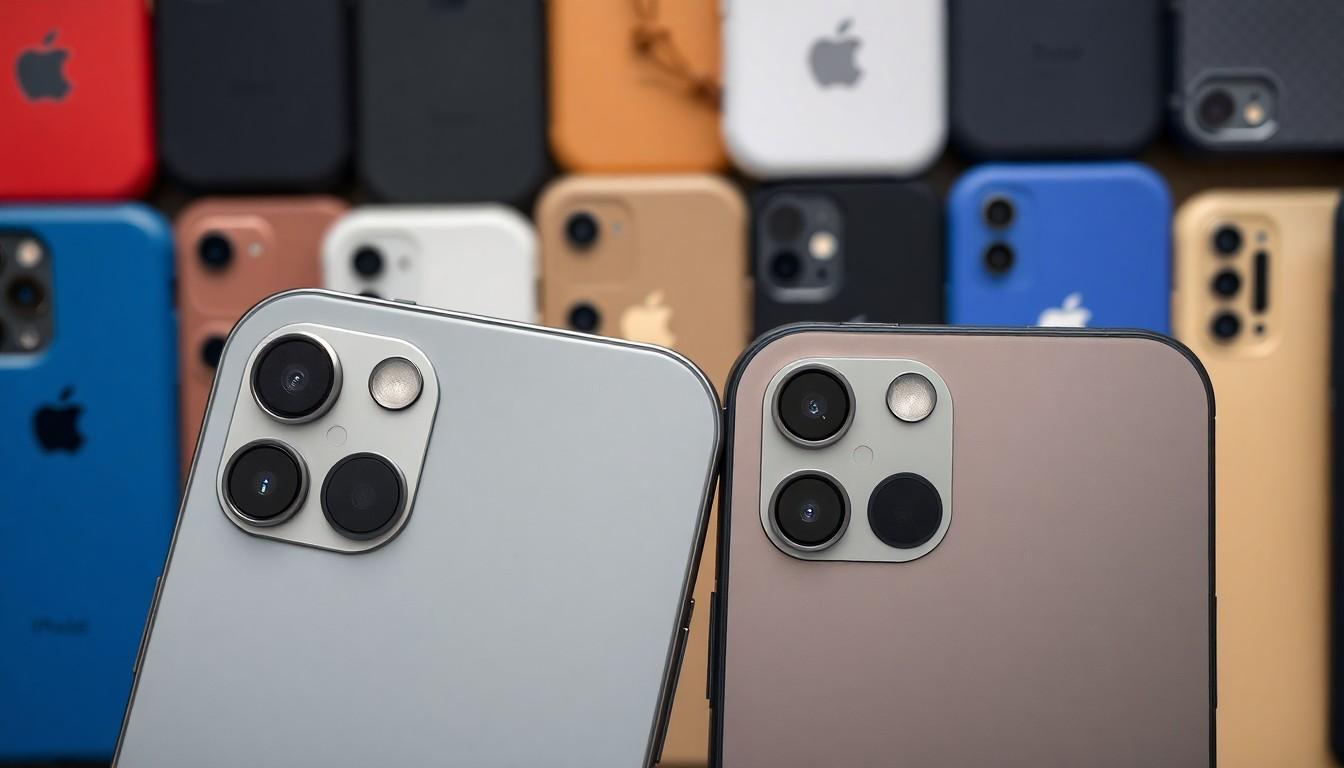
Compatibility between iPhone 12 cases and the iPhone 13 arises from design nuances. Differences in camera layout and notch size significantly affect case fit.
Case Designs and Styles
Case designs and styles vary between the two models. Many iPhone 12 cases feature a vertical camera cutout, while iPhone 13 cases showcase a diagonal layout. Material choices also differ; soft silicone cases may stretch differently compared to harder materials. Texture and grip impact usage, making cases tailored for specific models more suitable. Some brands might create cases to accommodate overlapping models, but variations in dimensions demand careful selection.
Potential Fit Issues
Potential fit issues stem from slight differences in dimensions. The iPhone 13 measures 146.7 x 71.5 x 7.65 mm, while the iPhone 12 dimensions are 146.7 x 71.5 x 7.4 mm. The increased thickness of the iPhone 13 can create a snug or loose fit, depending on the case. Pressing buttons or accessing ports may become difficult if a case meant for the iPhone 12 is used on the iPhone 13. Evaluating these factors helps determine the practicality of reusing an older case versus investing in a new one.
User Experiences and Reviews
Users experimenting with iPhone 12 cases on the iPhone 13 report varying results. Many find that the case does not align perfectly due to design differences in camera placement and overall dimensions.
Real-Life Testing
Real-life testers often emphasize the misfit caused by the camera layout. When placed in an iPhone 12 case, the iPhone 13 may struggle with button accessibility and port coverage. Individuals conducting tests show that while some cases can fit loosely, they might not protect the device effectively. Switching between models, users noted how the thickness of the iPhone 13 enhances grip but complicates using older cases.
Customer Feedback
Customer reviews frequently highlight dissatisfaction with compatibility issues. Some customers state that their iPhone 12 cases left gaps around the camera area, affecting functionality. Others express frustration over button pressing difficulties, specifically the volume and power buttons, making daily use inconvenient. Many recommend purchasing a dedicated case for the iPhone 13 to ensure proper fit and protection. Enhanced designs and features in newer cases contribute to an overall better user experience.
Recommendations
Choosing the right case for the iPhone models enhances protection and usability. While iPhone 12 owners may wonder about existing cases, those fitting iPhone 12 won’t align properly with the iPhone 13.
Best Cases for iPhone 12
Available options for iPhone 12 cases include rugged choices and slim designs. Rugged cases offer maximum protection, ideal for those needing durability. Slim cases provide a lightweight option while maintaining some level of defense. Brands like OtterBox, Spigen, and Apple itself provide a variety of styles catering to different user preferences. Users satisfied with these options highlight their durability and design.
Options for iPhone 13 Owners
Exploring cases for iPhone 13 reveals various styles tailored for the model’s features. Key brands like Casetify, Apple, and Nomad produce cases with diagonal camera cutouts and precise button placements. These choices enhance usability while maintaining device aesthetics. Silicone, leather, and clear options cater to individual preferences, ensuring users find the perfect fit. Many reviews indicate that investing in new cases improves protection and functionality for the iPhone 13 significantly.
Conclusion
Using an iPhone 12 case on an iPhone 13 isn’t advisable due to the significant design differences between the two models. The diagonal camera layout and slight variations in dimensions can lead to misalignment and accessibility issues. Many users have reported problems like gaps around the camera area and difficulties accessing buttons when using an incompatible case.
Investing in a case specifically designed for the iPhone 13 is crucial for ensuring proper fit and maximum protection. With various options available from reputable brands, iPhone 13 owners can find a case that not only enhances usability but also complements the device’s aesthetics. Prioritizing compatibility will ultimately lead to a better user experience.
