
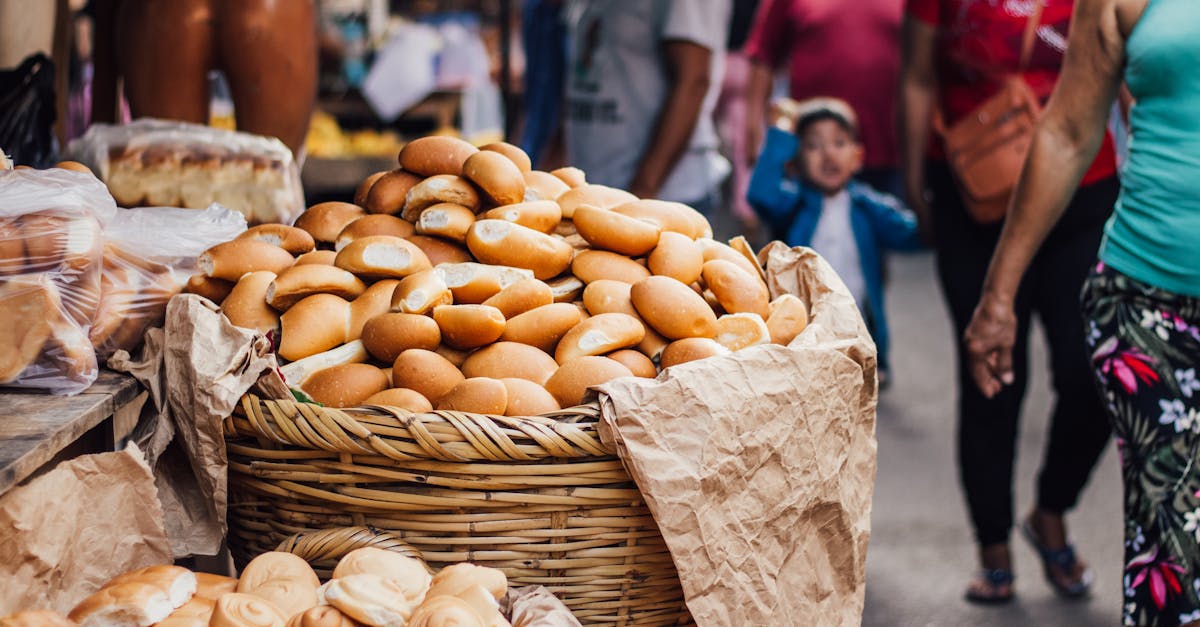
Peru’s food culture is a vibrant tapestry woven from its rich history and diverse geography. From the Andes mountains to the Amazon rainforest, each region offers unique ingredients and flavors that reflect the country’s heritage. I’ve always been fascinated by how traditional recipes blend with modern culinary techniques, creating dishes that tantalize the taste buds and tell a story.
As I explore the bustling markets and local eateries, I discover the heart and soul of Peruvian cuisine. It’s not just about the food; it’s about the community, the traditions, and the passion behind every meal. Join me on this delicious journey through Peru’s food culture, where every bite is an adventure waiting to unfold.
Table of Contents
ToggleKey Takeaways
- Diverse Influences: Peru’s food culture is a fusion of indigenous, Spanish, African, and Asian influences, creating a rich and varied culinary landscape.
- Regional Distinctions: The country’s geography—coastal, highland, and jungle—shapes distinct regional cuisines, each featuring unique ingredients and traditional dishes.
- Traditional Techniques: Traditional cooking methods, such as roasting and boiling, are vital to preserving the authentic flavors of Peruvian cuisine while modern chefs innovate with contemporary techniques.
- Key Ingredients: Staples like potatoes, corn, and quinoa, along with fresh seafood and herbs, are fundamental to many popular Peruvian dishes, showcasing the diversity of local produce.
- Culinary Evolution: Modern Peruvian cuisine blends traditional recipes with global flavors, appealing to both locals and visitors and reflecting ongoing culinary creativity.
- Cultural Celebrations: Food plays a central role in Peruvian festivals and celebrations, reinforcing cultural identity and community ties through traditional dishes.
Overview Of Peru Food Culture
Peru’s food culture reflects its unique blend of indigenous, Spanish, African, and Asian influences. This fusion results in a vibrant culinary landscape rich in flavors and techniques.
Peru’s diverse geography plays a crucial role in its cuisine. The country offers coastal, highland, and jungle regions, each contributing specific ingredients. Coastal regions provide seafood, highlands supply potatoes and grains, while the jungle offers exotic fruits and herbs. These ingredients create distinct regional dishes that showcase local traditions.
Traditional cooking methods remain vital in Peru. Techniques such as roasting, steaming, and boiling are commonly used. Chefs often emphasize fresh, local ingredients, which enhances flavor and nutrition.
Modern chefs innovate by blending traditional recipes with contemporary techniques. This evolution leads to unique presentations and flavor combinations, appealing to both locals and tourists. Lima’s culinary scene exemplifies this trend, featuring a mix of street food and high-end dining experiences.
Peruvian markets provide an immersive experience into the country’s food culture. Vendors sell a variety of fresh produce, grains, and meats, highlighting the community’s connection to agriculture. Visiting these markets reveals the importance of seasonal ingredients and supports local economies.
Peru’s food culture extends to festivals and celebrations. Ethnic traditions manifest in dishes prepared for special occasions. Each celebration showcases a particular dish, reinforcing cultural identity and community bonds.
Overall, Peru’s food culture represents a rich tapestry woven from its history and geography. Each meal tells a story, inviting exploration and appreciation of this dynamic culinary world.
Traditional Peruvian Cuisine
Peruvian cuisine showcases a vibrant array of flavors, deeply rooted in its history and geography. This unique culinary tradition blends ancient practices with contemporary innovation.
Key Ingredients
Key ingredients in traditional Peruvian cuisine include:
- Potatoes: With over 4,000 varieties, potatoes serve as a staple in many dishes.
- Corn: Known as “maíz,” corn is integral, featuring in everything from tamales to chicha.
- Quinoa: This ancient grain, packed with protein, is widely used in soups and salads.
- Aji Peppers: These diverse peppers provide heat and flavor, essential in many salsas and sauces.
- Fish and Seafood: The Pacific Ocean’s bounty offers a variety of fresh fish, key to ceviche and other coastal dishes.
- Herbs: Cilantro and huacatay (black mint) enhance flavors in a range of recipes.
Popular Dishes
Popular dishes that embody traditional Peruvian cuisine feature a mix of flavors and ingredients:
- Ceviche: Fresh fish marinated in lime, mixed with onions and chili peppers, represents the coastal region.
- Lomo Saltado: A stir-fry of beef, tomatoes, and onions, served with fries and rice, blends influences from Chinese immigrants.
- Aji de Gallina: Shredded chicken in a spicy, creamy sauce made with aji peppers and walnuts offers a comforting flavor.
- Causa Rellena: A layered dish of mashed potatoes seasoned with lime and stuffed with tuna, chicken, or avocado, showcasing regional diversity.
- Rocoto Relleno: Stuffed rocoto peppers filled with meat and cheese represent the Andean influence on Peruvian cuisine.
- Tacu Tacu: A dish made from leftover rice and beans, pan-fried to create a crispy exterior, highlights resourcefulness in cooking.
Peruvian cuisine invites exploration through its rich ingredients and popular dishes, reflecting the nation’s diverse cultural influences and culinary heritage.
Regional Variations
Peru’s regional cuisines reflect the country’s diverse geography and cultural influences. Each area offers distinctive flavors and ingredients that showcase local traditions and practices.
Coastal Cuisine
Coastal cuisine features a variety of fresh seafood due to its proximity to the Pacific Ocean. Dishes like ceviche utilize fresh fish marinated in citrus and served with onions and cilantro. Other popular options include tiraditos, a dish similar to ceviche but with a spicier sauce. Locals often enjoy ingredients like scallops, squid, and shrimp, enhancing flavors with aji amarillo or rocoto. Coastal regions also emphasize rice and potatoes as key staples.
Andean Cuisine
Andean cuisine highlights ingredients native to the highlands, shaping unique dishes. Potatoes, corn, and quinoa serve as foundational elements, with over 4,000 potato varieties available. Popular dishes include pachamanca, a traditional meal cooked underground with hot stones, and lomo saltado, a stir-fry that combines beef, vegetables, and rice. Locals frequently use herbs like huacatay and spices to enhance flavors. The Andes’ agricultural practices and diverse climate yield various flavors that characterize this region’s culinary offerings.
Amazonian Cuisine
Amazonian cuisine showcases the lush biodiversity of the rainforest, emphasizing exotic ingredients and flavors. Various fruits, nuts, and fish form the basis of many dishes, such as juanes, a rice dish wrapped in leaves and filled with chicken or fish. Traditional ingredients include plantains, cassava, and a variety of tropical fruits. Unique methods such as smoking and grilling fish contribute to the distinct flavors of this region. Amazonian cuisine often reflects the connection between the community and their natural surroundings, using local ingredients to create vibrant and hearty meals.
Influence Of Cultural Heritage
Peru’s food culture embodies a vibrant interplay of diverse cultural influences. Each contributes uniquely to the culinary identity present in modern Peruvian cuisine.
Indigenous Traditions
Indigenous traditions form the foundation of Peru’s culinary practices. Over 4,000 varieties of potatoes stem from indigenous agriculture, showcasing their deep-rooted connection to the land. Corn (maíz) and quinoa serve as staple ingredients, cultivated by indigenous communities for centuries. Cooking methods like pachamanca, where food cooks underground with hot stones, highlight ancient techniques that continue to thrive. Festivals often celebrate these traditions, emphasizing connections to ancestral heritage through traditional dishes such as aji de gallina and causa rellena.
Spanish Colonial Impact
Spanish colonization significantly influenced Peru’s culinary landscape. The introduction of new ingredients, like beef, dairy, and wheat, complemented indigenous foods and inspired fusion dishes. Spanish cooking techniques, such as sautéing and baking, integrated into local practices, creating classics like lomo saltado and rocoto relleno. The blend of flavors from both cultures fosters a rich tapestry of taste, emphasizing unity through the diverse heritage that defines Peru’s culinary scene.
Modern Peruvian Food Scene
Peru’s modern food scene highlights a remarkable blend of tradition and innovation, showcasing culinary art that captivates both locals and visitors. The vibrant atmosphere of Peru’s dining culture reflects the ongoing evolution of its cuisine.
Fusion and Innovation
Fusion and innovation define the modern Peruvian food landscape. Chefs integrate traditional ingredients with global flavors, creating dishes that surprise and delight. Techniques like sous-vide and molecular gastronomy emerge alongside age-old methods, expanding possibilities in flavor and presentation. Restaurants often feature dishes that innovate on classics, such as octopus ceviche or quinoa risotto, bringing a fresh twist to time-honored recipes. More chefs engage in experimental cooking, blending Peruvian staples with Asian, Mediterranean, and other international influences, resulting in a unique culinary dialogue. This creative spirit pushes culinary boundaries while honoring Peru’s rich gastronomic heritage.
Notable Restaurants and Chefs
Notable restaurants and chefs elevate Peru’s culinary scene, gaining international recognition for their contributions. Central, led by Chef Virgilio Martínez, emphasizes biodiversity, sourcing ingredients from various altitudes of Peru. Maido, Chef Mitsuharu Tsumura’s restaurant, celebrates Nikkei cuisine—an exquisite fusion of Japanese and Peruvian flavors. Astrid y Gastón, managed by Gastón Acurio, showcases classic dishes steeped in tradition while exploring modern interpretations. These culinary leaders, among others, shape the narrative of Peru’s food culture, drawing on their roots to create memorable dining experiences. Their commitment to sustainability and local ingredients further inspires a new generation of chefs across the nation.
Conclusion
Peru’s food culture is a vibrant celebration of history and diversity. Every dish tells a story shaped by the land and its people. From bustling markets to innovative kitchens, I’ve seen how the passion for food brings communities together.
The fusion of traditional and modern techniques creates an exciting culinary landscape that’s both familiar and surprising. Whether it’s savoring a classic ceviche or exploring a contemporary twist on an Andean staple, there’s always something new to discover.
I encourage you to experience this rich food culture firsthand. Each bite offers a glimpse into Peru’s heart and soul, inviting you to appreciate the flavors that define this beautiful country.
