
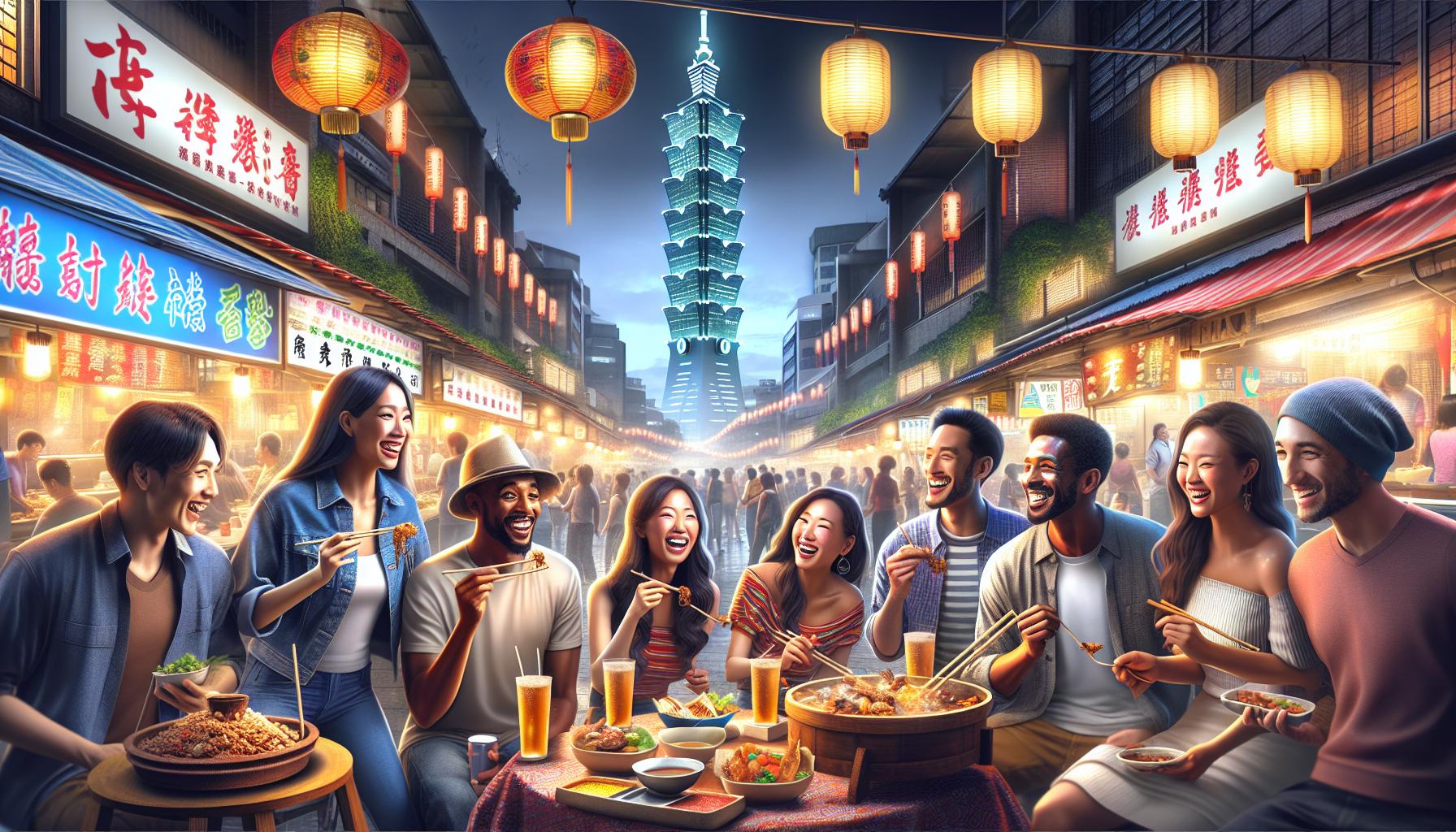
Taiwan’s vibrant cities blend ancient traditions with modern innovation creating an irresistible destination for travelers seeking authentic cultural experiences. From bustling night markets to serene mountain temples this island nation packs an incredible array of attractions into its compact size.
Whether it’s sampling street food in Taipei’s legendary markets exploring the historic streets of Tainan or soaking in natural hot springs near Taichung there’s something for every type of adventurer. Each Taiwanese city tells its own unique story through architecture food and local customs that have evolved over thousands of years.
Let’s dive into Taiwan’s most captivating urban destinations where ancient Chinese heritage meets Japanese colonial influence and contemporary Asian culture. These cities don’t just offer places to visit – they provide unforgettable experiences that’ll make anyone’s travel bucket list complete.
Why Taiwan Should Be Your Next Travel Destination
Taiwan’s strategic location in East Asia makes it accessible from major Asian cities within 4 hours of flight time. The country’s efficient public transportation system connects travelers to destinations across the island in under 2 hours by high-speed rail.
Cultural diversity thrives in Taiwan through 16 recognized indigenous tribes alongside Chinese traditions. These influences create unique experiences in:
- Food scenes featuring signature dishes like beef noodles xiao long bao dim sum
- Traditional festivals including Lunar New Year Dragon Boat Festival Ghost Festival
- Architecture blending colonial Japanese buildings with modern skyscrapers
Taiwan’s affordability stands out with:
| Expense Category | Average Daily Cost (USD) |
|---|---|
| Accommodation | $30-80 |
| Meals | $10-25 |
| Transportation | $5-15 |
| Activities | $15-40 |
Safety ranks as a top priority with crime rates among the lowest in Asia. English signage appears throughout major cities metro systems tourist attractions making navigation straightforward for international visitors.
The subtropical climate enables year-round travel with distinct experiences:
- Spring cherry blossoms bloom across mountain regions
- Summer beaches attract water sports enthusiasts
- Fall brings comfortable temperatures perfect for hiking
- Winter features hot spring resorts natural thermal pools
Taiwan’s compact size allows travelers to experience:
- Metropolitan energy in Taipei
- Mountain scenery in Alishan
- Coastal views in Kenting
- Historic architecture in Tainan
Taipei: The Modern Metropolitan Capital
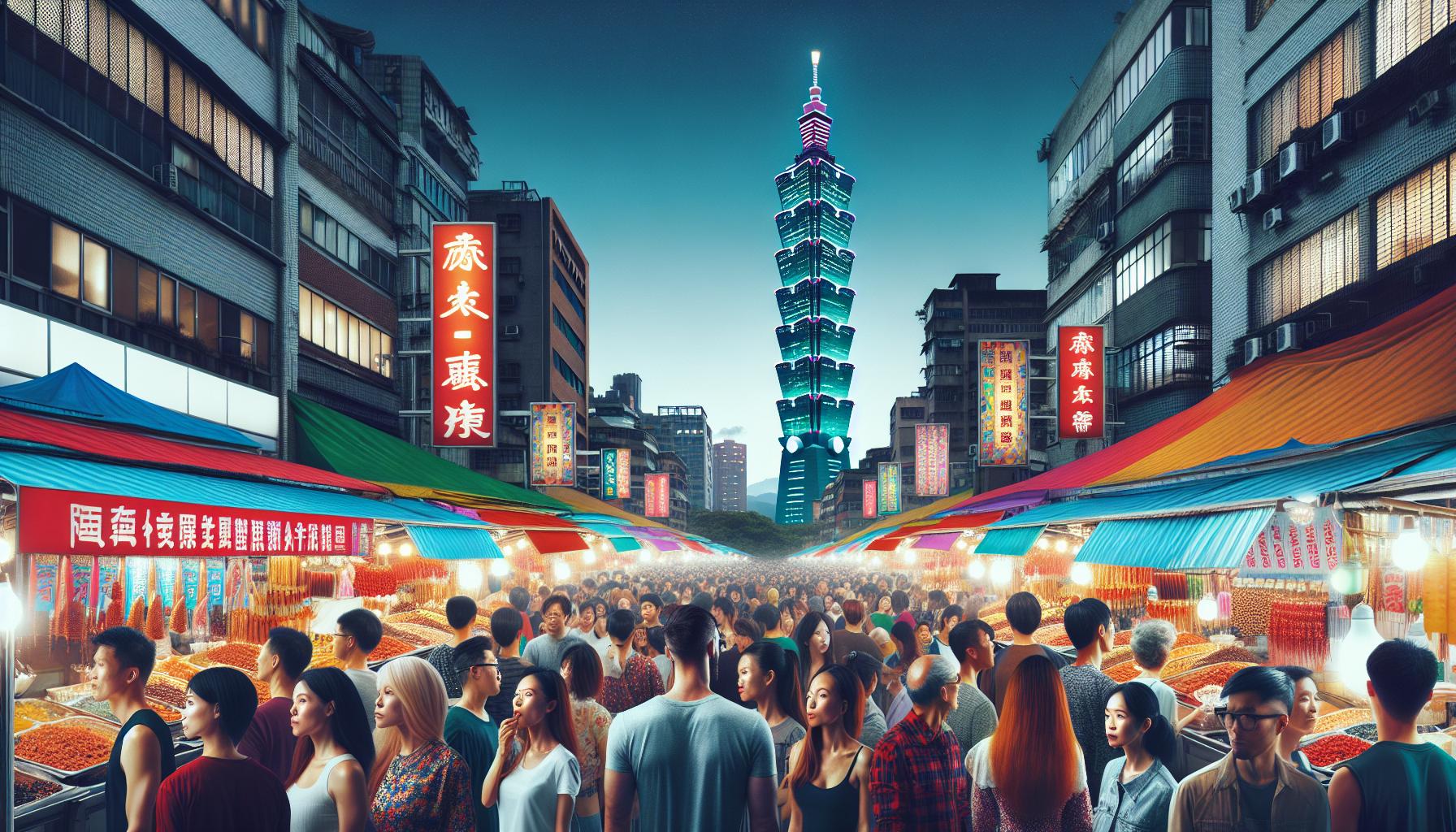
Taipei stands as Taiwan’s pulsating capital, where ancient temples neighbor sleek skyscrapers. The city combines traditional Chinese heritage with contemporary innovation, creating a dynamic urban landscape that attracts millions of visitors annually.
Must-See Attractions in Taipei
Taipei 101, once the world’s tallest building, dominates the skyline with its bamboo-inspired architecture reaching 509 meters high. The National Palace Museum houses 700,000 Chinese artifacts spanning 8,000 years of history. Longshan Temple, dating back to 1738, showcases intricate Buddhist architecture with daily religious ceremonies. Chiang Kai-shek Memorial Hall features a striking white marble structure surrounded by 25 hectares of manicured gardens. The Taipei Zoo spans 165 hectares, hosting 400 species including the beloved giant pandas. Yangmingshan National Park offers hiking trails through volcanic landscapes with eight peaks exceeding 1,000 meters.
Best Night Markets and Food Spots
Shilin Night Market spans 11 acres with 539 food stalls serving Taiwanese classics like stinky tofu oyster omelets. Din Tai Fung’s original location on Xinyi Road serves 18 varieties of xiaolongbao. Raohe Night Market stretches 600 meters featuring 150 vendors specializing in pepper meat buns herbal soups. Ningxia Night Market concentrates 200 food stalls in three compact blocks emphasizing traditional Taiwanese street food. Modern food courts at Taipei 101 Mall showcase 30 international cuisines across four floors. Huaxi Street Night Market, known as Snake Alley, offers exotic delicacies medicinal soups in a 200-meter stretch.
Kaohsiung: The Southern Harbor City
Kaohsiung stands as Taiwan’s largest port city, blending maritime heritage with modern urban development. This vibrant metropolis offers visitors a distinct perspective of Taiwanese culture through its waterfront attractions industrial history.
Cultural Sites and Temples
The Lotus Pond’s shoreline features the iconic Dragon Tiger Pagodas, twin seven-story towers adorned with intricate dragon sculptures. Visitors enter through the dragon’s mouth and exit through the tiger’s mouth, following traditional feng shui principles. The Fo Guang Shan Buddhist Monastery, spanning 100 hectares, houses the world’s tallest bronze Buddha statue at 108 meters. Cijin Temple, dating back to 1673, showcases classic Taiwanese temple architecture with ornate stone carvings stone dragon pillars. The Former British Consulate at Takow, built in 1879, combines Victorian architecture with subtropical elements, offering panoramic views of Kaohsiung Harbor.
Harbor Front Activities
Love River serves as Kaohsiung’s aquatic centerpiece, offering evening river cruises past illuminated bridges art installations. The Pier-2 Art Center transforms former warehouse spaces into galleries exhibition halls, hosting contemporary art shows cultural events. Cijin Island, accessible via a 5-minute ferry ride, features a 2-kilometer beach promenade seafood restaurants. The Kaohsiung Exhibition Center hosts maritime festivals trade shows, while the adjacent Fisherman’s Wharf provides fresh seafood dining options local craft markets. The Sizihwan Sunset Beach area offers water sports activities including kayaking paddleboarding during summer months.
Tainan: Taiwan’s Historic Capital
Tainan served as Taiwan’s capital from 1683 to 1887, establishing itself as the island’s cultural nucleus. The city preserves its historical essence through centuries-old temples, traditional architecture and authentic Taiwanese cuisine.
Ancient Temples and Architecture
Tainan’s architectural heritage includes 321 temples dating back to the 17th century. The Confucius Temple, built in 1665, stands as Taiwan’s oldest Confucian temple featuring classical Ming dynasty architecture. Fort Zeelandia, constructed by Dutch colonists in 1634, combines European and Asian architectural elements across its fortified walls. The Grand Matsu Temple showcases intricate stone carvings, colorful ceramic dragons and ornate roof decorations that exemplify Taiwanese temple craftsmanship. The Chihkan Tower (Fort Provintia) displays dual-style pagodas incorporating both Dutch colonial and Chinese architectural influences.
Local Delicacies and Street Food
Tainan’s culinary scene centers around traditional Taiwanese dishes exclusive to the region. The Anping District features specialty foods like oyster omelets, danzai noodles and coffin bread. Local vendors at Garden Night Market serve authentic delicacies including shrimp rolls, milkfish soup and ta-a noodles. The city’s signature desserts incorporate unique ingredients like Anping bean jelly, sweet potato balls and kumquat preserves. Traditional breakfast spots offer rice tube pudding, savory rice cakes and fish soup across 60+ morning markets. Fresh seafood restaurants near Anping Harbor specialize in grilled mullet roe, braised sea bass and steamed razor clams.
Hualien: Gateway to Natural Wonders
Hualien transforms Taiwan’s east coast into a natural paradise with dramatic marble cliffs, pristine beaches, and lush valleys. This coastal city serves as the primary access point to Taiwan’s most spectacular outdoor destinations.
Taroko Gorge Adventures
Taroko National Park showcases towering marble canyons carved by the Liwu River over millions of years. The Shakadang Trail offers a 4.4-kilometer path along turquoise waters, perfect for observing indigenous flora and geological formations. Visitors explore the Eternal Spring Shrine, perched dramatically on the cliff face with cascading waterfalls. The Swallow Grotto trail provides stunning views of the narrowest portion of the gorge, where visitors walk through tunnels carved into the marble walls. Adventure seekers tackle the Zhuilu Old Trail, a former hunting path featuring a 500-meter cliff face walk with panoramic views of the canyon.
Coastal Attractions
Qixingtan Beach stretches 21 kilometers along the Pacific Ocean, featuring black pebbles and crystal-clear waters. The Hualien Harbor features a scenic boardwalk with views of fishing boats and coastal mountains. Visitors discover the Farglory Ocean Park, combining marine life exhibits with panoramic ocean vistas. The Qingshui Cliffs rise 800 meters directly from the Pacific Ocean, creating dramatic photo opportunities along the Suhua Highway. Water enthusiasts engage in snorkeling at Clear Water Beach, known for its coral reefs and tropical fish populations. The coastal bike path connects major attractions while offering continuous ocean views.
Taichung: Art and Culture Hub
Taichung stands as Taiwan’s cultural heartbeat, where traditional heritage meets contemporary creativity. The city transforms industrial spaces into artistic venues while maintaining its reputation for culinary innovation.
Creative Parks and Museums
The National Taiwan Museum of Fine Arts anchors Taichung’s artistic landscape with 24,000 pieces in its permanent collection. Creative parks occupy former industrial sites, with the Taichung Cultural and Creative Industries Park featuring galleries showcasing local artists’ works in restored Japanese colonial buildings. The Audit Village Creative Park hosts rotating exhibitions in a renovated government complex from the 1960s. Visitors explore interactive installations at the National Museum of Natural Science, which houses 50 permanent exhibitions across its 89,000-square-meter space.
Food and Shopping Districts
Fengjia Night Market attracts 30,000 visitors nightly as Taiwan’s largest night market, offering local specialties like sun cakes and bubble tea. The refined Zhongxing Market specializes in traditional breakfast items from 5 AM daily. Miyahara Eye Hospital, transformed into a gourmet destination, serves artisanal ice cream in an elegant 1927 building. Green Avenue houses 200 boutiques featuring Taiwanese designer brands alongside international labels. The Art Shopping District near the National Taiwan Museum of Fine Arts combines 40 independent galleries with craft shops.
Best Times to Visit Taiwan’s Cities
Taiwan’s diverse climate creates distinct optimal visiting periods for each major city. The peak tourism season spans October through December when temperatures range from 20-25°C (68-77°F).
Northern Cities (Taipei)
Taipei experiences mild winters from December to February with temperatures between 15-20°C (59-68°F). Spring months March through May bring occasional rainfall with cherry blossoms in full bloom. Summer temperatures soar to 35°C (95°F) from June to August with heightened humidity.
Southern Cities (Kaohsiung, Tainan)
Kaohsiung and Tainan enjoy warmer temperatures year-round, averaging 25-30°C (77-86°F). October through April offers pleasant weather for exploring outdoor attractions. Summers see temperatures reaching 38°C (100°F) with frequent afternoon thunderstorms.
Eastern Cities (Hualien)
Hualien’s prime visiting months include March through May for spring hiking and September through November for autumn activities. Temperatures remain moderate at 22-28°C (72-82°F). Typhoon season affects the east coast from July to September.
Central Cities (Taichung)
Taichung maintains comfortable temperatures between 20-25°C (68-77°F) from October through March. Spring festivals occur in February through April. Summer months bring temperatures up to 32°C (90°F) with occasional rainfall.
| Season | Temperature Range | Best Cities to Visit |
|---|---|---|
| Spring (Mar-May) | 20-25°C | Taipei, Hualien |
| Summer (Jun-Aug) | 28-35°C | Taichung, Tainan |
| Fall (Sep-Nov) | 22-28°C | All Cities |
| Winter (Dec-Feb) | 15-20°C | Kaohsiung, Tainan |
Travel Tips and Transportation
Taiwan’s comprehensive transportation network connects all major cities through high-speed rail, traditional trains, buses, and domestic flights. The Taiwan High Speed Rail (THSR) travels from Taipei to Kaohsiung in 96 minutes, reaching speeds up to 300 km/h.
Getting around cities involves multiple convenient options:
- MRT systems operate in Taipei, Kaohsiung, and Taichung with bilingual signs
- YouBike public bike sharing stations provide affordable city exploration
- Local buses run extensive routes with EasyCard payment options
- Taxis display clear metering systems with base fares starting at NT$70
Transportation Cards & Passes:
- EasyCard works across public transit nationwide
- Unlimited THSR Pass offers 3-day or 5-day travel options
- Taiwan Tourist Shuttle connects major attractions
- Airport MRT provides direct access to city centers
| Transport Type | Average Cost (NT$) | Journey Time |
|---|---|---|
| THSR Taipei-Kaohsiung | 1,490 | 1.6 hours |
| City MRT | 20-65 | 5-40 mins |
| Airport Bus | 120-150 | 45-60 mins |
| Local Bus | 15-30 | 15-45 mins |
Essential Travel Tips:
- Purchase train tickets 2 weeks in advance during peak seasons
- Download bilingual transit apps like “Metro Taipei” or “Google Maps”
- Carry cash for traditional markets street vendors
- Book accommodations near MRT stations for convenient access
- Get an EasyCard from any convenience store or station
This efficient transportation system enables travelers to maximize their time exploring Taiwan’s diverse cities while maintaining comfort convenience.
Conclusion
Taiwan’s cities offer an incredible blend of experiences that cater to every type of traveler. From Taipei’s modern energy to Tainan’s historic charm each destination brings its own unique flavor to the table.
The country’s efficient transportation system and compact size make it possible to explore multiple cities in a single trip. Whether travelers seek cultural immersion culinary adventures or natural wonders Taiwan’s urban centers deliver unforgettable experiences.
With year-round accessibility affordable travel costs and a welcoming atmosphere Taiwan’s cities stand ready to charm visitors with their distinctive mix of tradition and innovation. It’s clear why these vibrant destinations continue to captivate travelers from around the globe.
